
Salvador Dali sponges are hard, rock-like sponges. The species was first described in 1925 from the Togian Islands, south of Gorontalo,Indonesia. The name comes from its resemblance to Dali’s Enigma of Desire painting. The sponge is usually found below 20 meters in deeper water. Only found in Gorontalo, The Enigma of My Desire is one of Dalí's earliest contributions to the Surrealist movement, the first work sold during his first solo exhibition at the Goemans Gallery, and the corner stone piece of this exhibition. It depicts a Catalonian landscape with a boy and man embracing in the background.
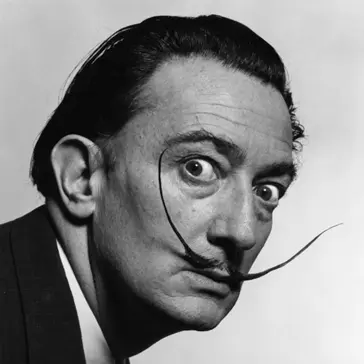
Salvador Dali
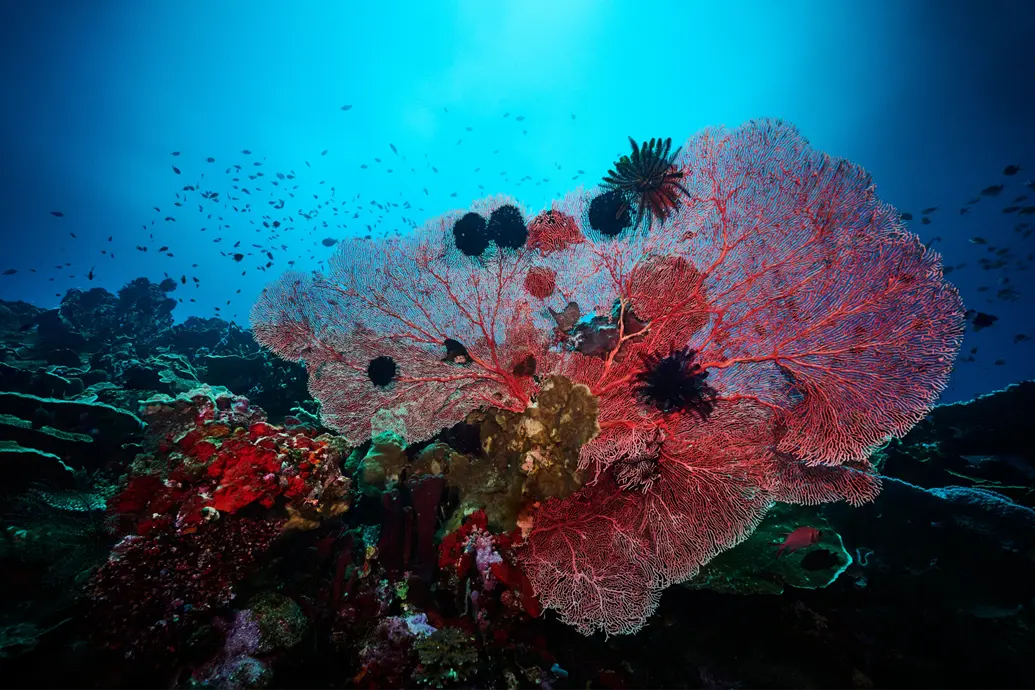
Touching coral can actually harm or even kill it, as it is a fragile living organism. Coral polyps have a protective layer of mucus, and touching it can disrupt or damage this layer, impacting their health. This picture shows the Salvador Dali Sponge degrading due to people touching it The design of gorgonian corals requires a small amount of surface area for attachment, but provides a large surface area for feeding. Gorgonians must avoid being damaged by currents but, at the same time, must remain erect in order to feed effectively. These two requirements have produced a compromise between rigidity and flexibility, with colonies typically having the elasticity of stiff rubber. When currents threaten to damage a colony, they can bend and then spring back into their original position. The giant sea fans reach their maxium size in 10 to 15 years.
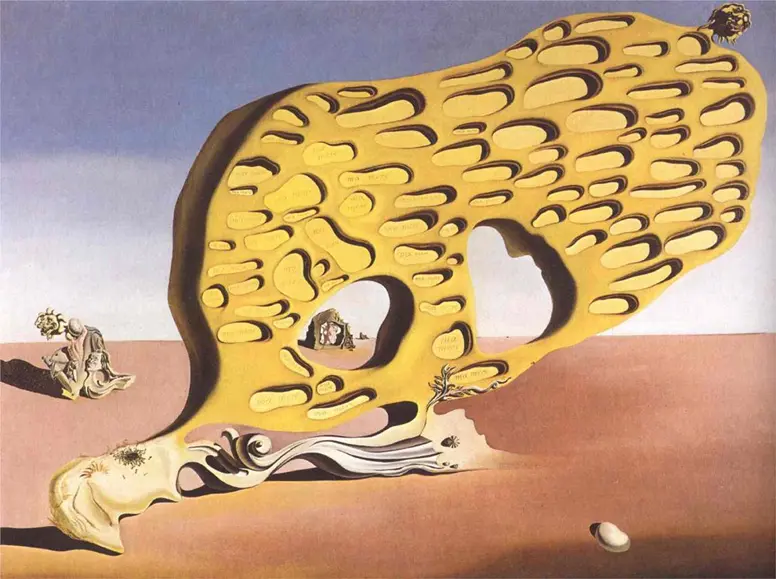
The Enigma of My Desire
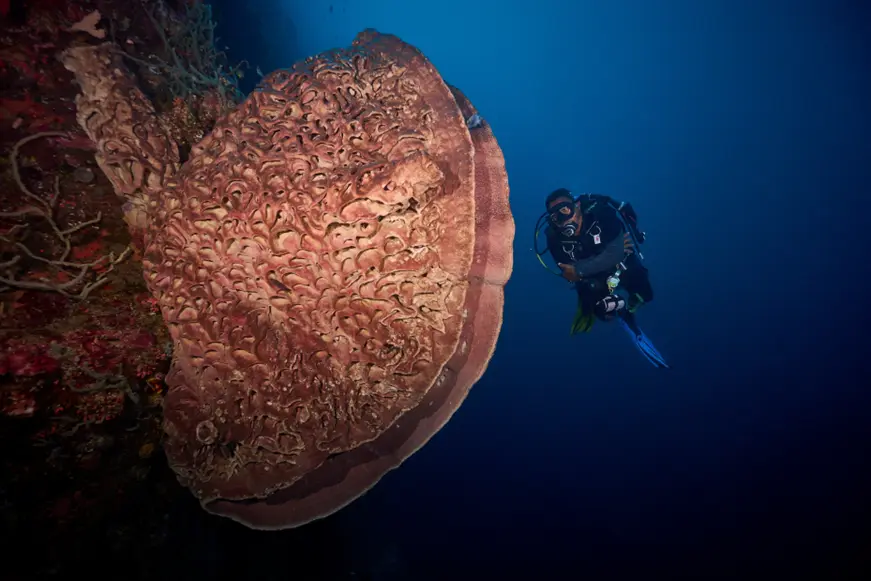
Salvador Dali Sponge Coral
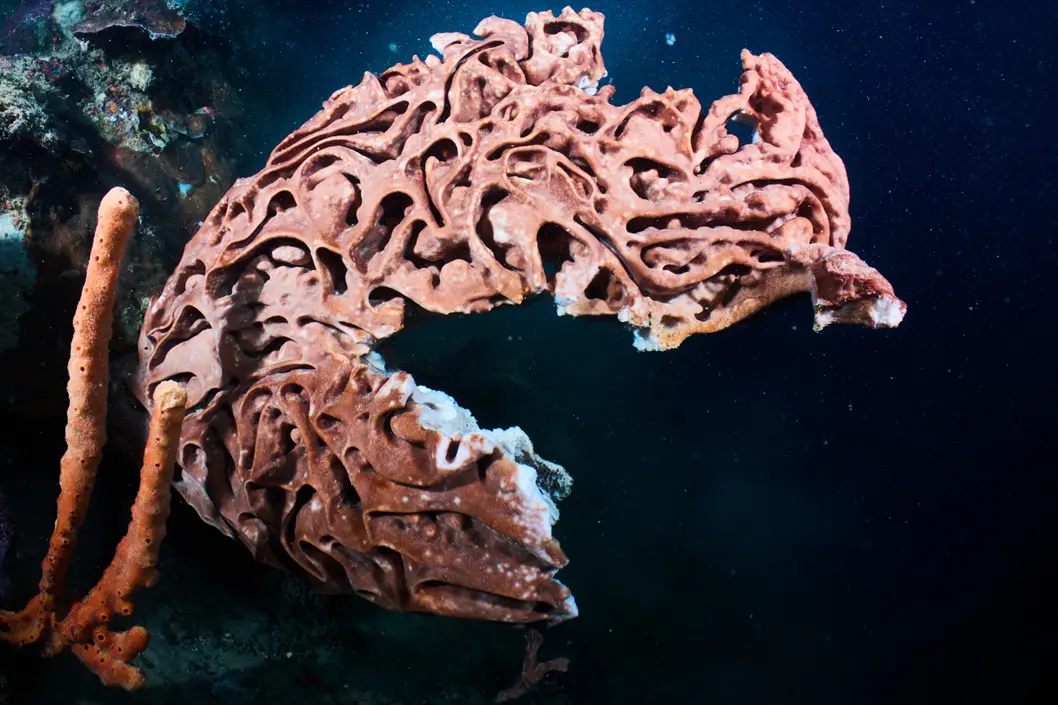
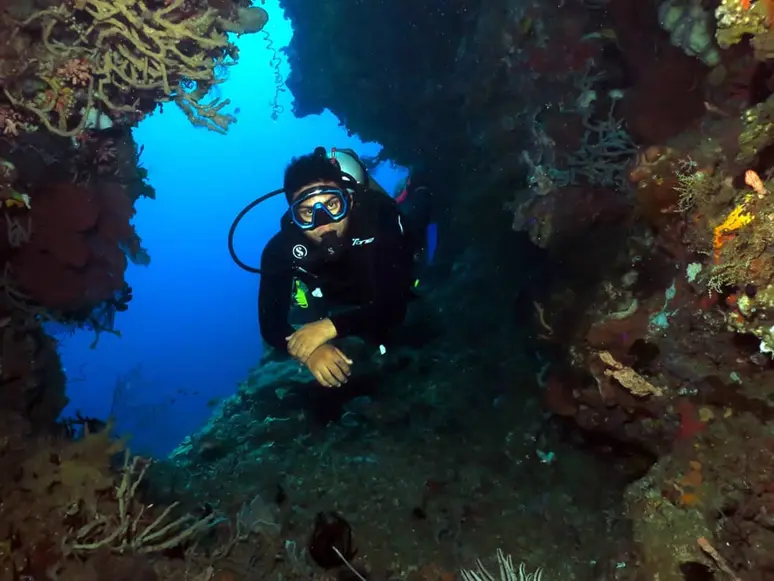
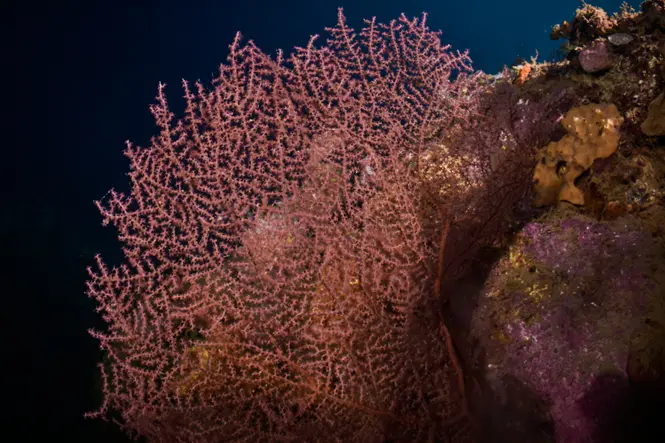
Myth: In coastal Sulawesi, Salvador Dali Sponge is called "Tulang Hantu" (Ghost Bone). Fishermen claim these sponges are the petrified remains of sailors cursed by sea witches for stealing pearls. The sponges "grow" where the drowned men’s bones sank.
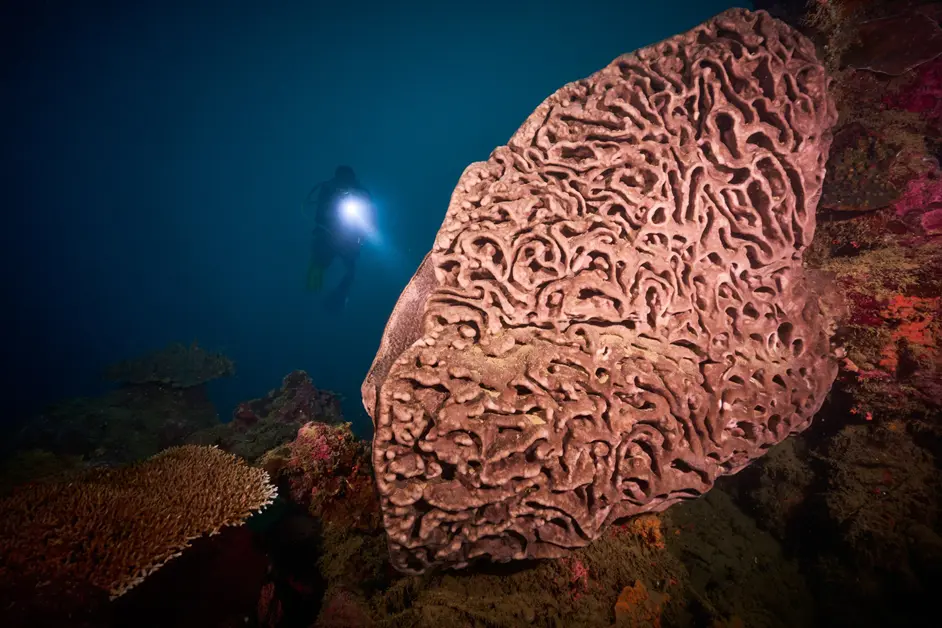
Salvador Dali Sponge Coral
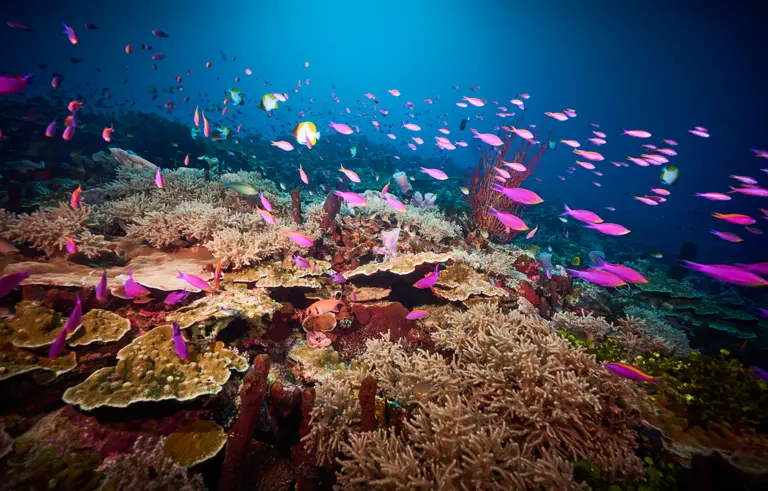
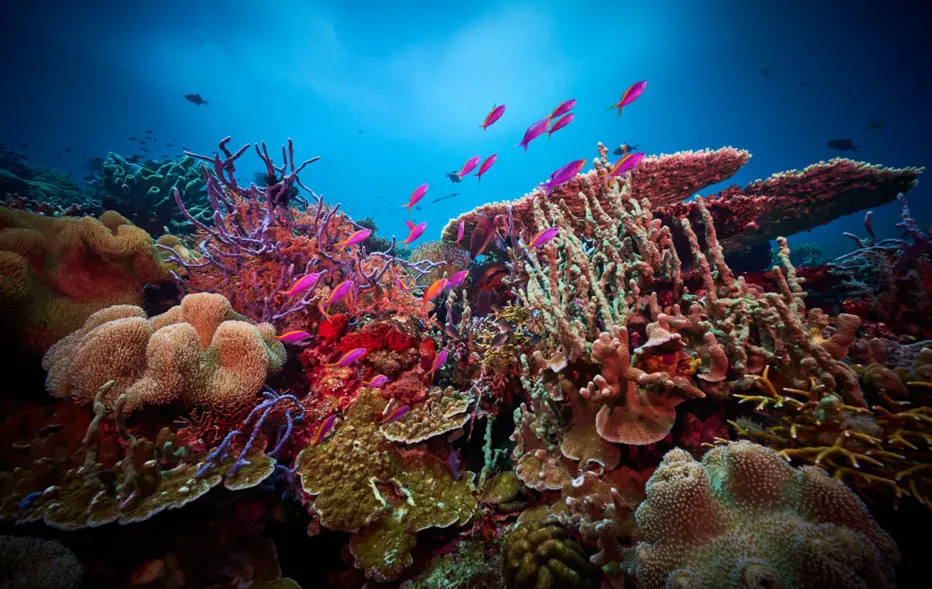
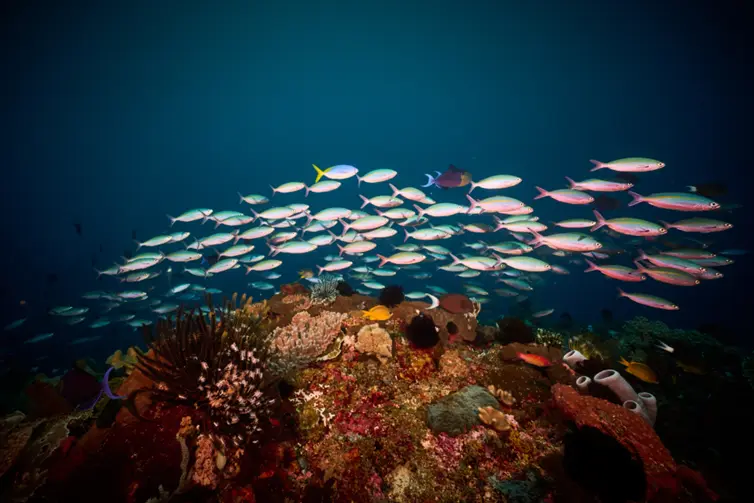
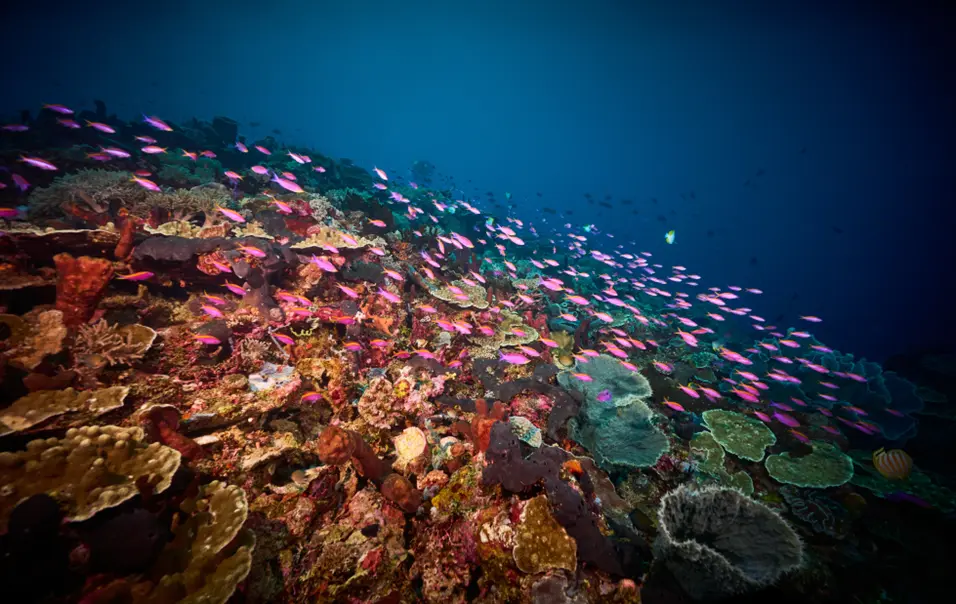
School of Dottyback
The sunken ship off Leato Beach is a Japanese cargo vessel believed to have sunk during World War II, between 1942 and 1945, when Japan occupied Indonesia. Named Kaisumaru, the ship was reportedly transporting copra, wood, and rattan from Gorontalo, though some locals speculate it carried gold due to nearby mines operated since the colonial era. According to eyewitnesses like Mr. Gani Paja (aged 80), the ship caught fire while attempting to exit Tomini Bay, possibly after being attacked by local resistance forces led by Gorontalo hero Nani Wartabone. The crew of six survived as the vessel drifted ashore and remained stranded for a month before sinking.
Today, the wreck lies upside down on a sloping seabed at depths ranging from 15 to 51 meters. Measuring approximately 50 meters in length, the ship retains about 60% of its structure, with 30% broken or buried in sediment. Notable features include:
Myth: Locals insist the Leato wreck’s corals hide Japanese gold bars, but anyone who takes one will be dragged underwater by hantu laut
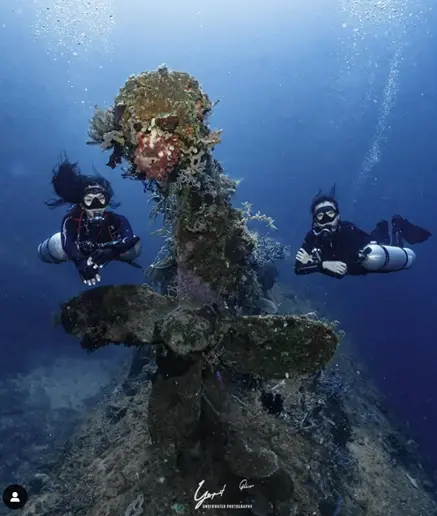
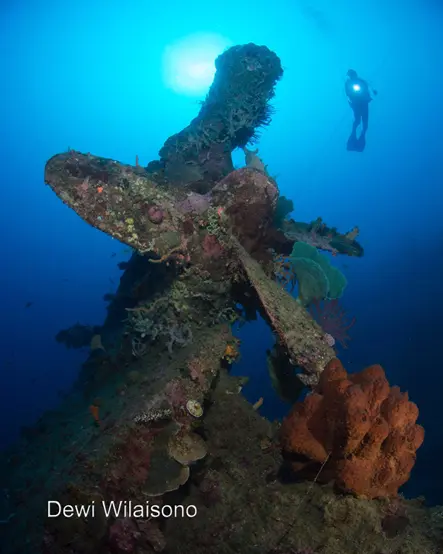
Myth: The coral-smothered Japanese shipwreck at Leato Beach is said to be patrolled by Nggoango (shadowy sea spirits). Locals claim the corals grow unnaturally fast where bones are buried.
The wreck is partially covered in coral (30%), with marine life thriving on its steel hull. Local legends speak of a hidden Japanese gold storage facility nearby, discovered by a former romusha (forced laborer), though the site is feared due to disappearances of those who ventured there. While some believe the ship once carried gold, most assume its cargo was salvaged long ago. This shipwreck serves as a historical marker of Gorontalo’s wartime past and remains a subject of intrigue for divers and historians alike.
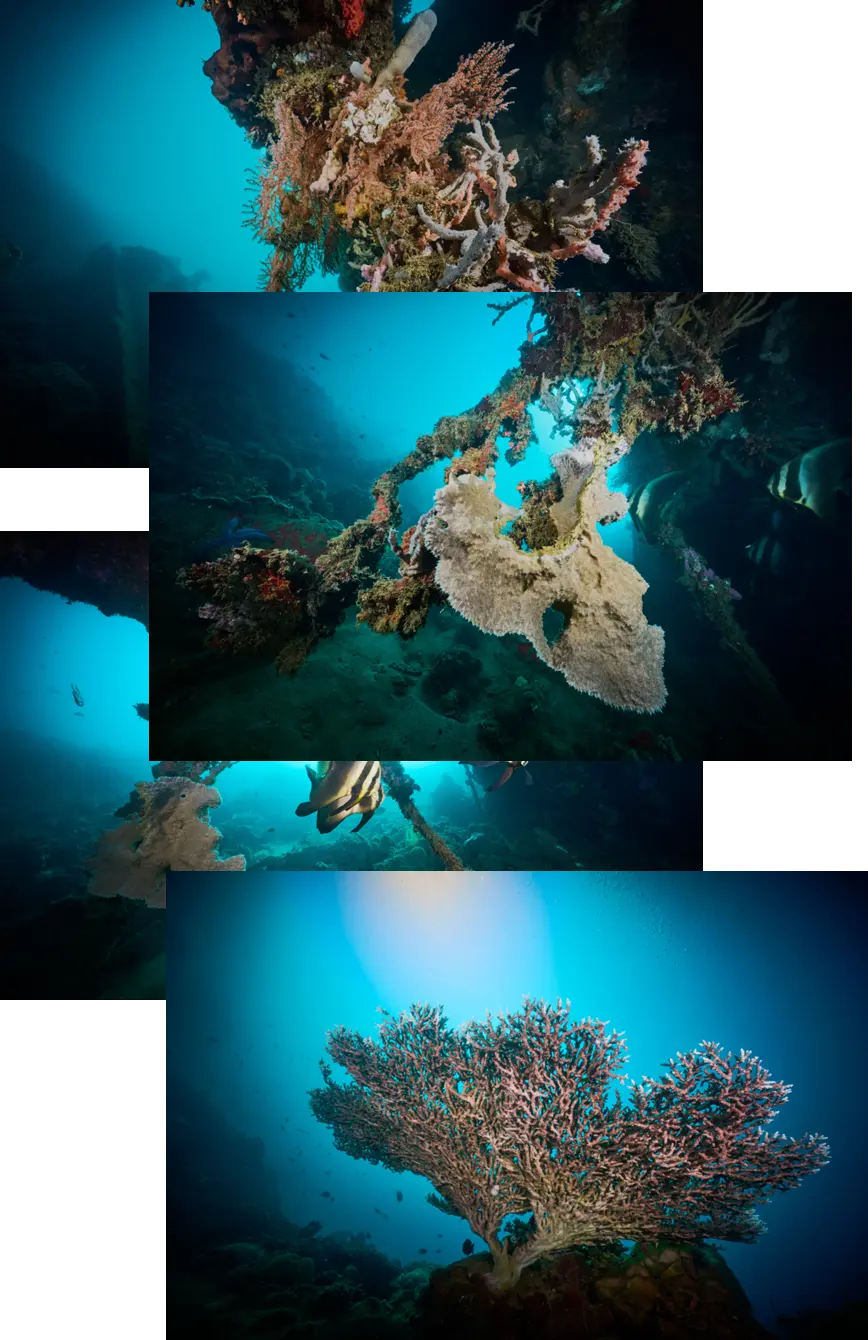
The Dutch Colonial Shipwreck near Botubarani in Kubu Marine Park is a fragmented relic from Indonesia’s pre-WWII colonial era, likely a merchant or patrol vessel sunk due to storms, conflict, or intentional scuttling. Unlike the well-documented Japanese wreck in Leato, its origins remain unclear, with local lore dubbing it "Kapal Belanda" (Dutch Ship).
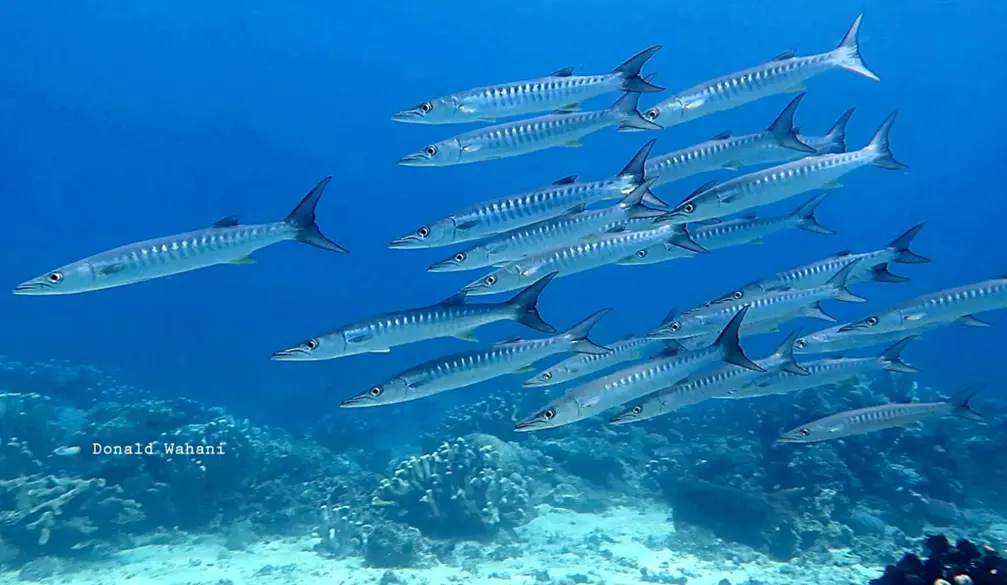
Located at a recreational diving depth of 10–25 meters, the site features scattered debris, including wooden beams, iron rivets, and a possible cannon, suggesting a defensive or trade role. Coral coverage is extensive (40–50%), with soft corals (gorgonians) and hard corals (Acropora) thriving alongside diverse marine life like batfish, barracuda, and pygmy seahorses
Key Highlights:
Comparison with Leato’s Japanese Wreck:
While less historically documented, the Botubarani wreck offers a unique glimpse into Gorontalo’s maritime past and a biodiverse dive site. Further archaeological study could unveil more about its role in the Dutch East Indies era.
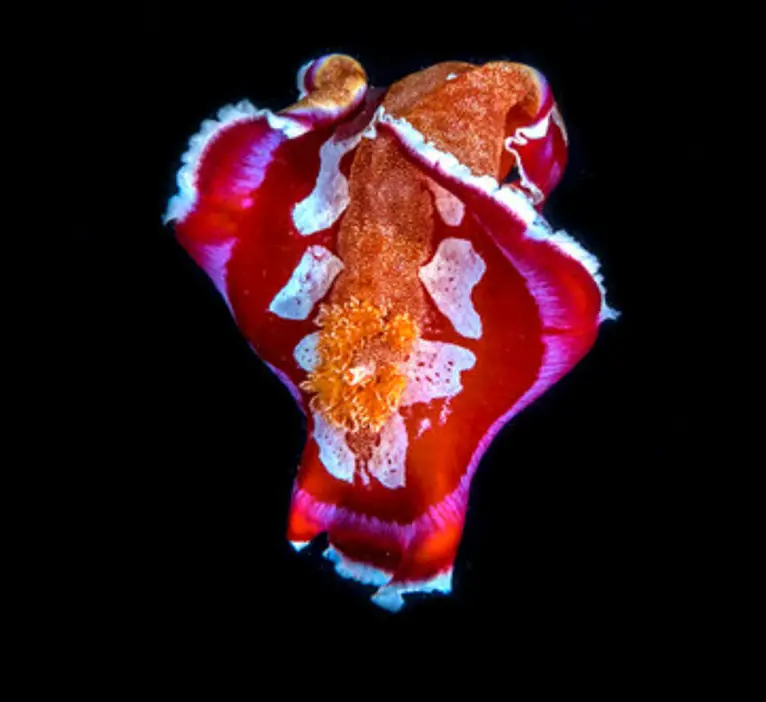
Spanish Dancer
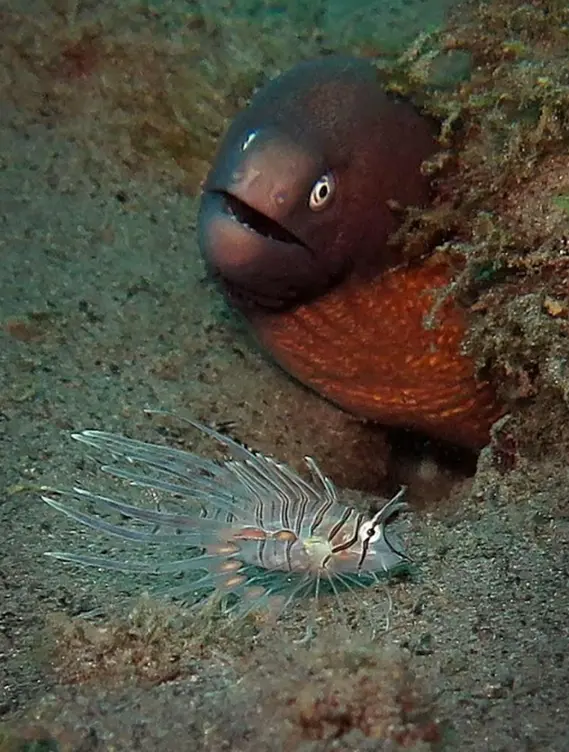
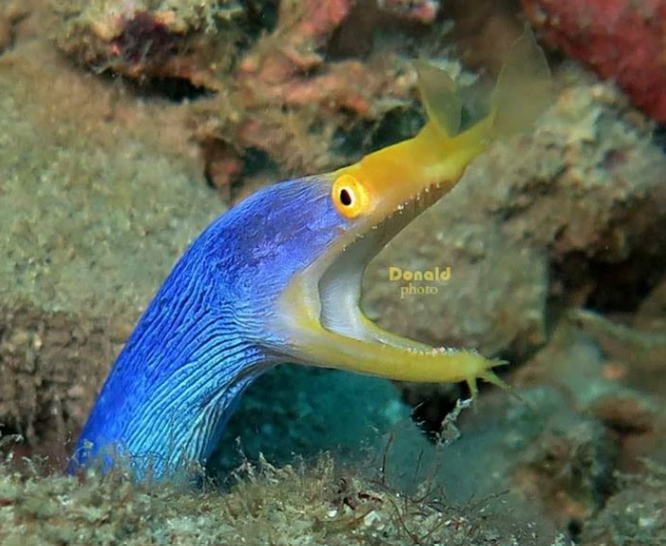
Moray Eel
A legend tells of a woman who drowned herself near Botubarani after her lover betrayed her. Her hair became Sinularia (leather coral), which "strangles" unfaithful men who touch it.

The Coral Bride's Curse


In 2016 there is a factory that was processing shrimp and they discarded the shrimp head and shells into the sea. After a few weeks later they found that there were 26 whale sharks swimming around the area.
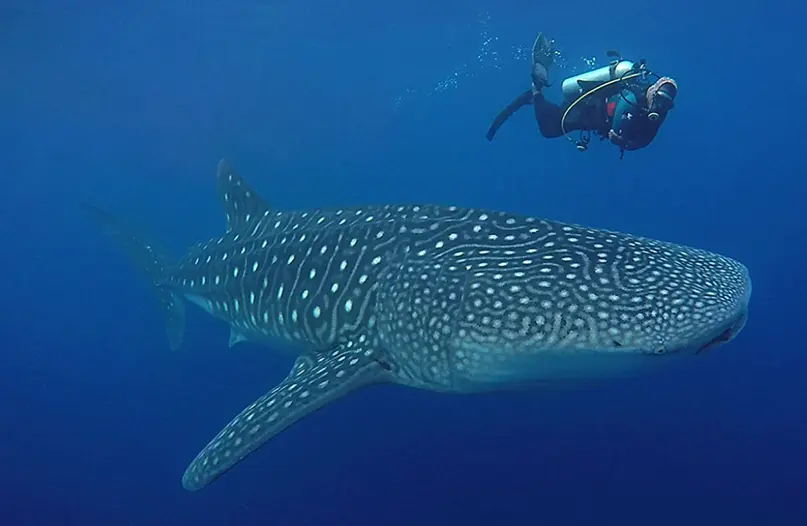
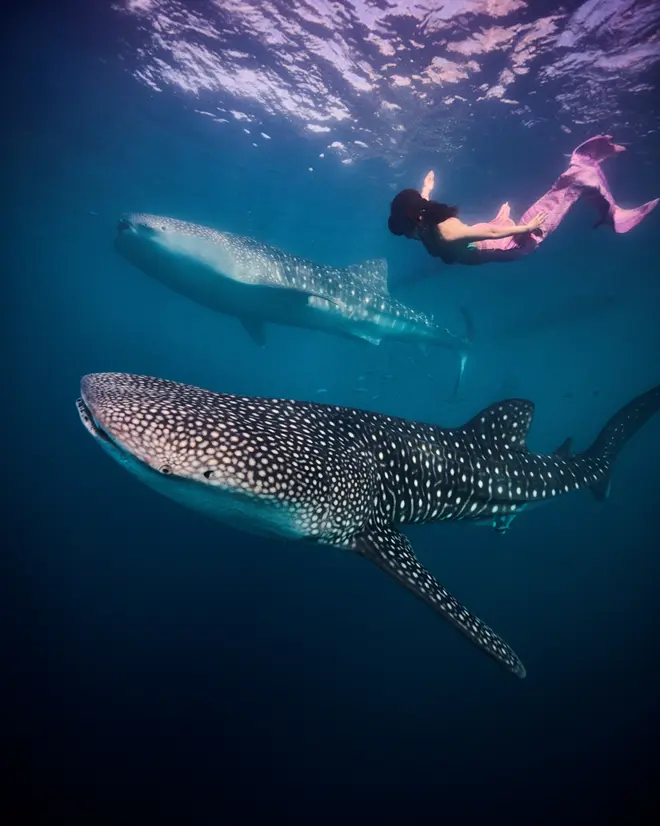
Whale Shark
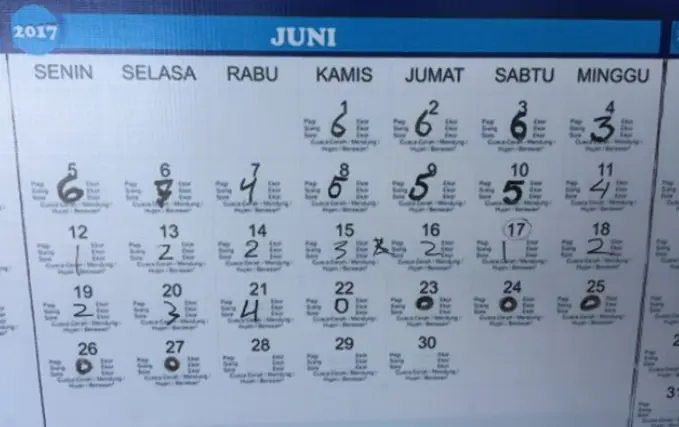
Calendar Showing the Whaleshark Sightings

Pygmy Seahorse
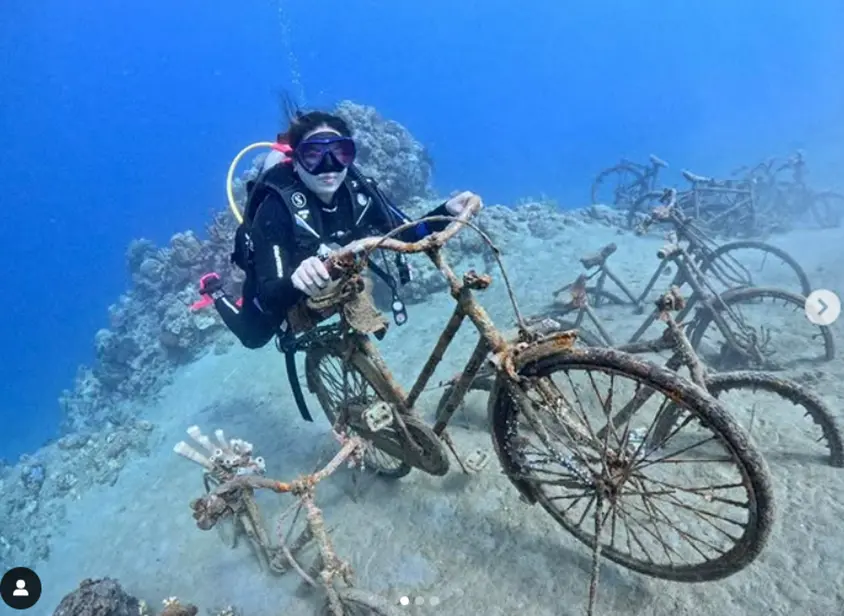
Underwater Bicycle